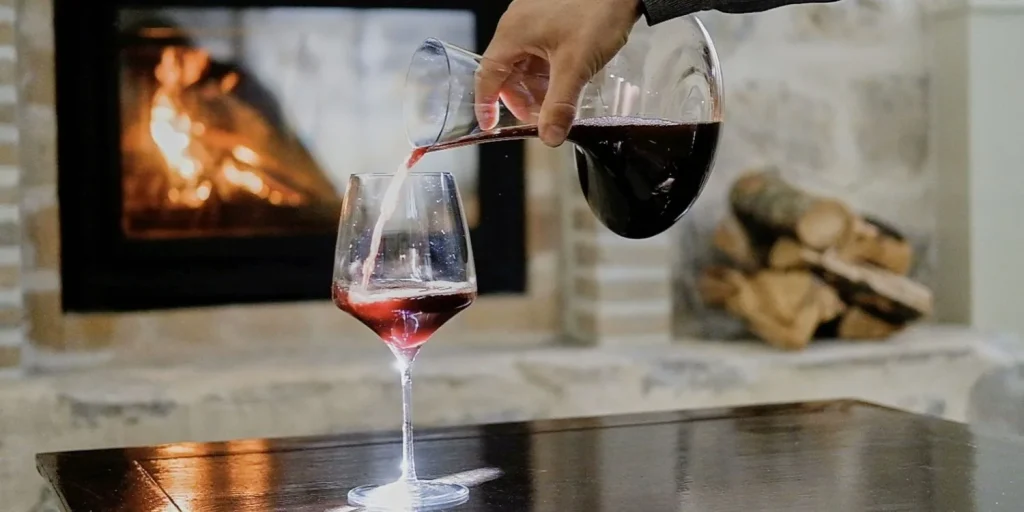
The best serving temperature for red wine depends on its style and how long it has been aged. Serve young, light-bodied reds at 12–14°C and Crianza, Reserva and Gran Reserva reds at 15–18°C. Room temperature can be too warm: the alcohol becomes more noticeable and can mask aromas of fruit, oak, vanilla or spice. If the bottle is warmer than it should be, 20 to 30 minutes in the fridge can help bring it into the right range before serving.
What is the ideal serving temperature for red wine?
The ideal serving temperature depends on the wine’s style, structure and time spent ageing. As a general guide, young, light-bodied reds are best served slightly cooler, while Crianza, Reserva and Gran Reserva can be served a little warmer. This reflects the differences between young wine, Crianza, Reserva and Gran Reserva in structure and complexity.
| Type of wine | Recommended serving temperature |
|---|---|
| Sparkling wines and young whites | 6–9°C |
| Rosés and fuller-bodied whites | 8–12°C |
| Young or light-bodied reds | 12–14°C |
| Crianza, Reserva and Gran Reserva reds | 15–18°C |
Young and light-bodied reds
Young, light-bodied reds are usually served at 12–14°C. This keeps them fresh and brings out their fruit character without letting the alcohol dominate.
Serving these wines slightly cool helps them taste lively and balanced. This is especially true of wines made to be enjoyed young, in which primary wine aromas are most prominent.
Crianza, Reserva and Gran Reserva reds
Reds aged for longer benefit from a slightly higher serving temperature so their complexity can come through. As a rule, serve Crianza, Reserva and Gran Reserva reds at 15–18°C.
Within this range, it is easier to pick out the aromas that develop during ageing, such as ripe fruit, oak, vanilla and spice, and to appreciate the wine’s structure and texture on the palate. Too much warmth, however, can make the alcohol stand out above these nuances.
Why room temperature can be too warm for red wine
The advice to serve red wine at room temperature dates back to a time when homes and cellars were considerably cooler. Today, especially in the warmer months, indoor temperatures can easily rise above 20°C or even 25°C, which is too warm for many reds.
What happens when red wine is too warm?
When wine is too warm, the alcohol becomes more noticeable and can overpower the other flavours and aromas. The wine can taste heavier, less fresh and less balanced.
Aromas that would normally come through clearly, such as fruit, oak, vanilla or spice, can fade into the background. In an aged red, for example, the warmth of the alcohol can dominate and make the aromas developed during ageing harder to appreciate.
What happens when red wine is too cold?
When wine is too cold, its aromas are less pronounced and the wine can seem closed. The fruit and more complex notes take longer to emerge, and the wine may feel firmer on the palate.
Serving reds too cold can also make tannins and astringency stand out, making the wine seem drier or harsher than it is. Aim for the temperature range that best reveals the wine’s balance and complexity.
Have You Seen Our Wine Barrels?
At Tonelería Murúa, each barrel is custom-made with meticulous attention to detail and strict quality standards, ensuring that every project—whether for wine or whiskey—receives the best option based on its specific needs.
How to cool red wine before serving
If red wine is above its ideal serving temperature, the simplest option is to cool it briefly before pouring. In many cases, 20 to 30 minutes in the fridge will bring the temperature down by several degrees without chilling the wine too much.
An ice bucket filled with water and ice works well when you need to cool the bottle faster. Adjust to the style: a young red can be served cooler, while a Crianza, Reserva or Gran Reserva needs a little more warmth to show its aromas and structure.
Remember that the wine will continue to warm up in the glass. Serving it slightly below the target temperature is preferable to pouring it too warm.