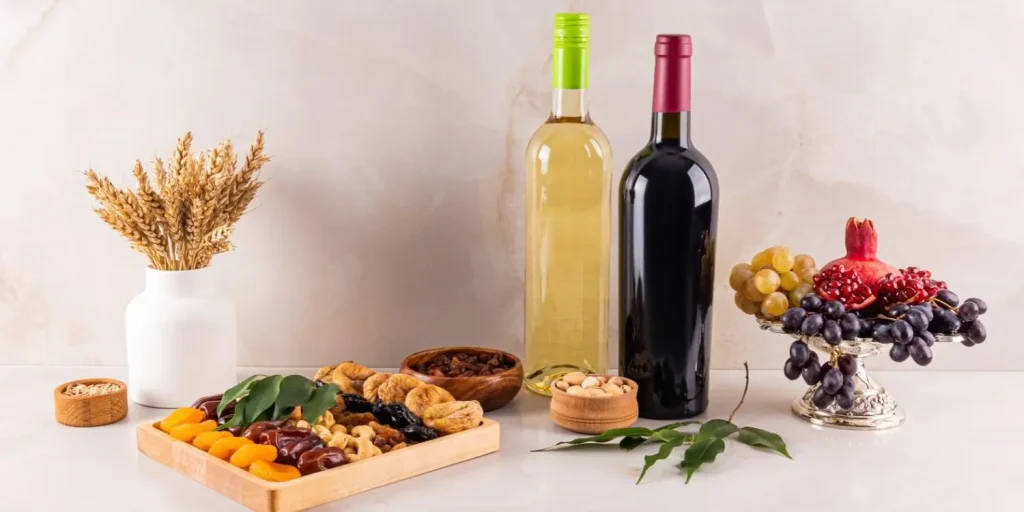
Wine pairing brings out the best in both the wine and the food. Reds tend to work well with meat, stews and mature cheeses. Whites suit fish, seafood and lighter dishes, rosés are particularly versatile, and sparkling wines are especially good with fried foods, appetisers and rich dishes. Match the wine’s intensity to the dish and consider the sauce, side dishes and cooking method.
What is wine pairing and why does it matter?
Wine pairing means choosing a wine and a dish that complement each other and taste better together. There may be several combinations that work. The goal is to balance intensity, aromas, flavours, acidity, sweetness and texture so each can be appreciated.
A good pairing can bring out subtle flavours in the dish, soften certain sensations and change how the wine comes across. The style of wine matters, as do the ingredients, the sauce, the cooking method and the intensity of the dish. Consider the wine’s aromas and structure too, since two wines made from the same grape can behave very differently at the table.
How to pair wine with food
A good pairing starts with a simple idea. Both the wine and the food should be easy to appreciate together. Look at the dish’s intensity, dominant flavours, texture and cooking method, then choose a wine that balances or complements those qualities.
Balance intensity and flavour
The intensity of the wine should match the intensity of the dish. A delicate dish usually works best with a light wine, while richer, fattier or more heavily spiced dishes can handle wines with more body, structure and length.
Acidity, sweetness and fat matter too. A wine with good acidity can refresh the palate after a rich bite. In more structured reds, it also helps to consider wine tannins, since they interact differently with different ingredients.
Match flavours or create contrast
There are two common ways to approach a pairing. The first is to match complementary flavours or aromas. A wine with toasted or spicy notes, for instance, can go well with a dish that has similar flavours.
The second is to create contrast, using the wine to balance a quality of the dish. Bright acidity can cut through a fatty dish, while a sweet wine can soften certain strong or spicy flavours. Either approach works as long as the pairing is balanced.
Consider sauces, sides and cooking methods
When choosing a wine, consider the whole dish. The same cut of meat, fish or type of pasta can call for very different wines depending on the sauce, spices, sides or cooking method.
Grilling over coals can add toasted notes and intensity, while gentle cooking preserves more delicate flavours. A creamy, acidic or spiced sauce can have more influence on the pairing than the main ingredient. Choose the wine with the complete dish in mind.
Food pairings by wine style
Each wine style has a different level of acidity, body and intensity, as well as its own aroma profile. Those qualities help determine which dishes it pairs with best. The table summarises some common combinations.
| Type of wine | Foods it usually pairs well with | Why it works |
|---|---|---|
| Red wine | Red meats, stews, cured meats, mature cheeses | Its fuller body and structure suit intensely flavoured, fattier dishes |
| White wine | Fish, seafood, rice dishes, poultry, lighter dishes | Its freshness and acidity balance delicate flavours and lighter dishes |
| Rosé | Salads, pasta, rice dishes, fish, Mediterranean food | It combines freshness with a little more structure, making it versatile |
| Sparkling wine | Appetisers, seafood, fried foods, cheeses, desserts | The acidity and bubbles refresh and cleanse the palate |
What to pair with red wine
Red wine is often paired with richer, fattier and more intensely flavoured dishes, such as red meat, stews, cured meats and mature cheeses. Young, light-bodied reds can go with simpler dishes, while reds that have spent time ageing usually work better with complex dishes and deeper flavours.
The wine’s structure also matters. A red with firm tannins needs a dish that can stand up to that texture, while a lighter red may suit white meat, rice dishes and even some oily fish.
What to pair with white wine
White wines are known for their freshness, acidity and ability to complement delicate flavours. They often go well with fish, seafood, rice dishes, poultry and vegetables. The best pairing will vary considerably with the wine’s body and how it has aged.
A young, fresh white suits lighter dishes. A fuller-bodied white, or a wine made using barrel fermentation, can stand up to richer dishes, oily fish, poultry and creamy sauces.
What to pair with rosé
Rosé often sits between white and red wine in style, which makes it particularly versatile. It works well with salads, pasta, rice dishes, fish, vegetables and Mediterranean food, especially when you want a refreshing wine with a little more structure.
Rosé is also a good option when the meal includes very different dishes and it is hard to choose between a white and a red.
What to pair with sparkling wine
Sparkling wines combine acidity, freshness and bubbles, which make them suitable for a wide range of foods. They work particularly well with appetisers, seafood, fried foods and fatty dishes because they refresh the palate between bites.
Depending on their sweetness and style, they can also accompany cheeses and desserts. A sparkling wine can work throughout a meal as well as for a toast.
Have You Seen Our Wine Barrels?
At Tonelería Murúa, each barrel is custom-made with meticulous attention to detail and strict quality standards, ensuring that every project—whether for wine or whiskey—receives the best option based on its specific needs.
Examples of wine and food pairings
These examples show how to match a wine’s style to the qualities of a dish. Use the combinations as a starting point and adjust them to the food you are serving.
| Type of food | Recommended wine | Why it pairs well |
|---|---|---|
| Red meat | Full-bodied red | Its structure and tannins stand up to the meat’s strong flavour and fat |
| Stews and braises | Crianza or Reserva red | The wine’s complexity matches deep flavours from slow cooking |
| White fish | Young white | Its freshness and acidity complement delicate flavours without overwhelming them |
| Oily fish | Full-bodied white or light red | Oily fish can take a little more structure while keeping the pairing balanced |
| Seafood | Fresh white or sparkling wine | Acidity adds freshness and complements briny flavours |
| Rice dishes and paella | White, rosé or light red | It depends on the ingredients, but medium-intensity wines often work well |
| Pasta with tomato sauce | Young red or rosé | The wine’s acidity complements the acidity of the tomatoes |
| Pasta with creamy sauces | Full-bodied white | Its body and acidity balance the richness of the sauce |
| Mature cheeses | Aged red | The wine’s intensity and structure match the cheese’s concentrated flavours |
| Mild cheeses | White or sparkling wine | A fresh wine keeps the pairing from feeling heavy |
| Fried foods | Sparkling wine | The bubbles and acidity help cleanse the palate |
| Desserts | Sweet wine | The wine should be at least as sweet as the dessert |
How to pair wine with different types of food
The type of food is one of the most useful guides to a pairing. Consider the main ingredient, the strength of the flavours and the cooking method to choose a wine that complements the dish and keeps the pairing balanced.
| Type of food | Wines that usually work well | What to consider |
|---|---|---|
| Meat | Young reds, Crianza, Reserva or Gran Reserva | Stronger flavours, more fat and longer cooking times can suit more structured wines |
| Fish and seafood | Whites, sparkling wines, rosés or light reds | Freshness and acidity usually suit delicate and briny flavours |
| Cheese | Whites, reds, sparkling wines or sweet wines | The type and maturity of the cheese determine how intense the wine needs to be |
| Pasta and rice dishes | Whites, rosés or reds, depending on the sauce and other ingredients | The sauce or accompaniments usually matter more than the pasta or rice itself |
| Desserts | Sweet or sparkling wines, depending on the dessert | The wine needs enough sweetness to hold its own alongside the dish |
Common wine pairing mistakes
Pairing wine with food leaves plenty of room for personal taste. A few common mistakes can make it harder to appreciate the wine or the dish.
- Choosing a wine that is too powerful for a delicate dish and masks its flavours.
- Serving a wine that is too light for a strongly flavoured, fatty or heavily spiced dish.
- Focusing only on the main ingredient and overlooking the sauce, sides or cooking method.
- Pairing very sweet desserts with dry wines, which can make the wine taste more acidic or flat.
- Automatically choosing red wine for all meat or white wine for all fish without considering how the dish is prepared.
- Overlooking acidity, sweetness, fat or heat, all of which can change the pairing.
- Serving wine at the wrong temperature, which can alter its aromas and balance on the palate.
How to choose the right wine for a meal
Start with the intensity and overall character of the dish. A light dish usually calls for a fresh wine with a lighter structure. More intensely flavoured or fattier dishes and slow-cooked recipes often suit wines with more body and a longer finish.
Consider acidity, sweetness, texture and aromas, as well as the sauce and cooking method. If you are choosing a red, knowing the differences between young wine, Crianza, Reserva and Gran Reserva can help you find the right structure and complexity for the dish.
Treat pairing advice as a guide and leave room for personal taste. The best wine is one that balances the food and that you enjoy drinking.